
As Ukraine hits Russia’s oil lifeline and Trump works the phones with Putin and Zelensky, the real fight is over who controls the war’s money and the peace talks.
Story Snapshot
- Ukraine is using drone strikes on Russian oil sites as “long-range sanctions” to choke Putin’s war chest.
- Trump’s long calls with Putin and Zelensky aim for a ceasefire, but Putin keeps pushing hard terms and exploiting the talks.
- Mainstream outlets praise “productive” calls while downplaying how Ukrainian strikes are pressuring Russia’s economy.
- The battle over Russian energy shows how sanctions, drones, and diplomacy now mix—and how U.S. policy can help or hurt.
Ukraine’s ‘long-range sanctions’ campaign against Russian oil
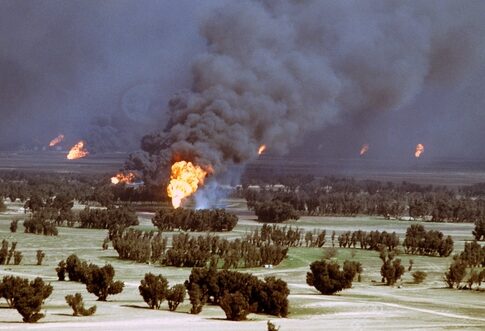
Since 2024, Ukraine has carried out a steady campaign of deep drone strikes on Russian oil refineries, depots, and gas plants, reaching far beyond the front lines. These attacks are not random. Ukrainian leaders and analysts describe them as “long-range sanctions”, meant to cut into Russia’s main source of war funding: oil money. Open-source analysis estimates that by spring 2024, Ukraine had damaged or destroyed about 20 percent of Russia’s refining capacity, forcing Moscow to halt production at key sites like Tuapse and Novokuibyshevsk.
These strikes hit more than just pipelines and tanks. They force Russia to move air defenses away from the front to protect energy infrastructure, weakening its lines in Ukraine. They also have ripple effects for fuel supply inside Russia. Reports describe shortages in multiple regions after major refinery hits, with Russia having to import fuel from Asia by sea to cover gaps. In plain terms, Ukraine is trying to make it more expensive for Putin to keep the war going and to show that his “home front” is not safe.
St. Petersburg strike and Putin’s pushback
The recent Ukrainian drone strike on the St. Petersburg oil terminal fits this pattern. The hit caused a large fire, disrupted airport flights, and briefly knocked out mobile internet. Local officials reported damage to critical infrastructure in three districts and injuries, but no deaths, which lets Kyiv argue it is focusing on strategic targets over mass civilian harm. Ukraine also struck a warship undergoing repairs at the Kronstadt naval base, and Ukrainian footage showed the drone hitting that military site, reinforcing the military nature of the operation.
Moscow, however, is working hard to shape the story. Kremlin spokesman Dmitry Peskov called Russia’s own deep strikes “systematic,” framing Ukraine’s actions as part of an escalation cycle rather than a pressure tool tied to sanctions. Russian statements highlight their prisoner exchanges and limited ceasefires but tend to omit how much damage Ukraine is inflicting on refineries and ports. That narrative tries to convince outside audiences, including Americans, that Ukrainian strikes are reckless “terror” instead of a targeted squeeze on Russia’s war economy.
Trump’s calls, ceasefire talk, and Putin’s hard conditions
Against this backdrop, President Trump has been on the phone with both Vladimir Putin and Volodymyr Zelensky, pitching himself as the deal-maker who can end the war. In one high-profile call, Ukraine agreed in principle to a 30‑day ceasefire, showing that Zelensky is willing to test Trump’s approach under pressure from allies. Yet analysis of that Trump–Putin conversation notes that no full 30‑day ceasefire was ever implemented. Instead, there was only a limited pause on energy infrastructure strikes, and even that quickly broke down as fighting continued.
Putin has used these contacts to restate tough demands. Reports describe him insisting on Ukraine ceding control of key regions such as Donetsk and other occupied areas as a condition for ending the war. He has also floated proposals like a Victory Day ceasefire and framed small steps—such as a prisoner exchange of 175 people plus wounded Ukrainian servicemen—as goodwill gestures. For conservatives who value strength and clarity, this looks like classic Kremlin leverage: give a little at the edges, keep pushing for land, and try to lock in gains while Western leaders talk about “progress.”
Media framing, U.S. leverage, and what is really at stake
Major Western outlets often describe Trump–Putin calls as “excellent,” “productive,” or a sign that “progress is being made,” even on days when Russia launches heavy missile and drone attacks on Ukrainian cities like Kyiv. That coverage can blur the reality that Ukraine’s strikes on Russian oil are one of the few tools still hurting Putin’s war machine in a concrete way. It also risks painting Kyiv’s pressure campaign as needless escalation, instead of what many analysts call kinetic sanctions—military actions used to boost or replace traditional economic penalties.
For American readers who care about limited government and serious national interest, the stakes are high. Ukraine’s “long‑range sanctions” strategy shows that targeted force can hit an aggressor’s wallet without endless ground troops. But if U.S. policy or media pressure forces Kyiv to back off those energy strikes while Putin keeps bombing cities and demanding more land, the balance tilts his way. Trump’s willingness to push for talks, insist on no further escalation, and keep America out of another open‑ended war matters—but only if it is paired with real pressure on Moscow, not quiet acceptance of its terms.
Sources:
independent.co.uk, cnn.com, apnews.com, youtube.com, instagram.com, facebook.com, dailymotion.com, en.wikipedia.org, pmc.ncbi.nlm.nih.gov