
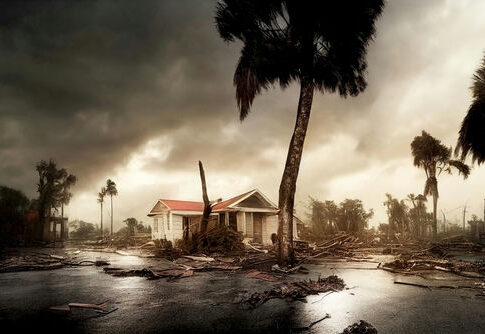
As Super Typhoon Bavi pounds America’s Pacific territories and now turns toward Taiwan, one stunning fact stands out: this Category 5 monster shredded homes and power lines, yet early reports show no deaths on Rota — a hard‑won victory for preparation that the climate‑spin media is already trying to hijack for their agenda.
Story Snapshot
- Super Typhoon Bavi hit Rota as a Category 5 storm with winds reported near 180 mph, while Guam took record rain and dangerous flooding.
- Despite catastrophic winds and major damage, early reports list zero fatalities on Rota, a “miracle” credited to aggressive local preparedness.
- Taiwan now braces for impact as forecasts show Bavi weakening but still dangerous, even as legacy media rushes to tie the storm to climate politics.
- Limited communications and few images mean the real damage tally will take time, but federal response and data transparency will test Washington’s priorities.
Category 5 terror in America’s Pacific backyard
Super Typhoon Bavi roared over the tiny U.S. island of Rota on Monday as a powerful Category 5 storm, turning the sky into a wall of water and metal as roofs tore away and power lines snapped. National Weather Service forecasters in Guam reported sustained winds near 180 miles per hour as the eye crossed the island, with gusts reported even higher. Officials had warned that a direct hit could leave most of Rota uninhabitable for weeks, with total roof failure in non‑concrete homes.
Residents on Guam, just south of Rota, endured a different kind of beating as Bavi’s outer eyewall dumped more than a foot of rain, with local meteorologists reporting 12 to 15 inches and wind gusts over 100 miles per hour. Flooded roads became impassable, power flickered out in many neighborhoods, and cell service failed as towers bent or fell under the strain. The storm also kicked up huge waves along Guam’s tourist beaches, turning postcard views into a violent gray wash.
“Major damage” but a miracle on Rota
Local leaders on Rota described “major damages” across the island, from torn roofs to snapped poles, even as downed cell towers made full assessment almost impossible in the first 24 hours. One public information officer said communication failures kept crews from seeing the full picture, but early reports suggested widespread impact across homes and basic utilities. Yet despite the chaos, the island’s emergency manager called it “a miracle” that early numbers showed zero deaths and only one reported injury.
That outcome did not happen by chance; it came after days of warnings urging families into sturdy shelters and interior rooms before the eye arrived. The National Weather Service had told residents to treat the incoming winds like a tornado and move to safe rooms immediately, a message repeated by local officials and churches. For a conservative audience that values self‑reliance, Rota’s experience shows that clear warnings, local leadership, and personal responsibility can beat even a Category 5 monster when people take danger seriously.
Taiwan braces as models disagree and media spins
As Bavi pulls away from the Marianas, forecast tracks now point the storm toward the waters near Taiwan, with most models showing some weakening but still dangerous winds before the end of the week. Forecasters say the system could drop to the strength of a strong Category 2 hurricane by the time it brushes northern Taiwan, but that still means damaging gusts, heavy rain, and landslide risk in steep terrain. Conflicting computer models have added confusion, with some runs pulling the track closer to Japan or the northern Philippines.
Our disaster teams are on the ground and ready to help after Super Typhoon Bavi made landfall in the Northern Mariana Islands, where communities are still picking up the pieces from Typhoon Sinlaku just three months ago.
Bavi was the strongest storm to ever hit the island of… pic.twitter.com/ErLl8BcwBD
— American Red Cross (@RedCross) July 7, 2026
While island families mop up floodwater and check on neighbors, major outlets are already pushing a familiar narrative, linking Bavi’s power to long‑term climate trends and record ocean heat. That framing can drown out key practical questions for Americans: How fast will federal aid reach these U.S. citizens, what will rebuilding cost, and will storm data be shared openly so engineers can study why some homes survived and others failed? In an age of big government and global talking points, these voters want transparency and accountability, not just slogans.
What conservatives should watch from Washington
Because Rota and Guam are U.S. territories, the federal government controls much of the long‑term response, from disaster declarations to rebuilding standards. After past storms, federal agencies have sometimes used recovery to push costly new building rules or climate‑driven planning mandates that land hardest on small property owners and local businesses. With Bavi, there will be pressure once again to tie every dollar of aid to new codes, reports, and studies shaped far from the islands themselves.
Constitution‑minded Americans will want the Trump administration to balance real safety lessons with respect for local control and property rights. That means backing quick relief for damaged communities while resisting efforts to turn one storm into an excuse for permanent federal overreach or global climate treaties that raise energy costs back home. It also means insisting that raw storm data, satellite images, and engineering findings be released, so citizens and independent experts can judge what worked, what failed, and how to harden communities without surrendering freedom.
Sources:
aljazeera.com, nytimes.com, euronews.com, youtube.com, weather.com, instagram.com, dailymotion.com