
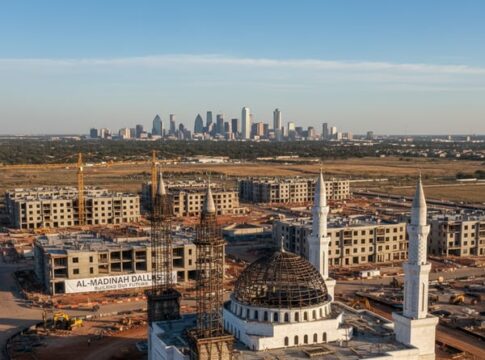
A Texas judge delivered a decisive legal victory to developers planning a 400-acre Muslim community near Dallas, clearing the way for one of the largest faith-based residential projects in the state’s history.
Court Ruling Removes Final Obstacles
The judicial decision removes significant legal barriers that had stalled the ambitious development project. The planned community will span four hundred acres in the Dallas metropolitan area, representing a substantial investment in faith-based residential infrastructure. Local opposition groups had mounted legal challenges attempting to block the project through zoning and land-use arguments, but the court rejected these efforts. The ruling affirms the developers’ right to proceed with construction plans that include residential housing, community centers, and religious facilities designed to serve Muslim families.
The development represents a significant expansion of faith-based communities in Texas, where religious freedom protections under the Constitution played a central role in the legal arguments. Developers emphasized their project complies with all local zoning requirements and building codes while exercising First Amendment rights to establish a community centered on shared religious values. The court’s decision validates this constitutional framework, establishing precedent for similar developments across the state.

The East Plano Islamic Community (EPIC), which has now been rebranded to The Meadow, will feature 1,000 homes, a mosque, schools, and more.
Texas leaders are worried
Community Response And Opposition
The ruling generated sharp reactions from multiple stakeholders in the surrounding area. Opponents raised concerns about infrastructure strain, including traffic congestion and demands on local services such as schools and emergency response systems. Supporters countered that the development will generate substantial property tax revenue and economic activity through construction jobs and ongoing commercial operations. The developers committed to funding infrastructure improvements and working with local authorities to address community concerns about integration and resource allocation.
Constitutional And Property Rights Implications
Legal experts note the decision reinforces fundamental property rights and religious liberty protections that form the bedrock of American constitutional law. The case tested whether communities can use zoning regulations to effectively prohibit faith-based developments, with the court determining such restrictions violate both First Amendment religious protections and Fifth Amendment property rights. This balance between local zoning authority and constitutional freedoms will likely influence future cases involving large-scale religious community developments. The project now moves forward to construction phases, with developers estimating the community will house several thousand residents upon completion.
How much did these people pay for the land? Will they have their own laws? The way the men treat the women, there should be a law and prison as well. This is all prophecy what they are doing. This is unbelievable.
Being a 400 acre faith based community, will that make it tax exempt?
If they want such a complex, build it. But then just stay inside of it and away from the rest of law abiding, normal, people who recognize the American Constitution as the law of the land and want to have nothing to do with barbarian Shiria law.