
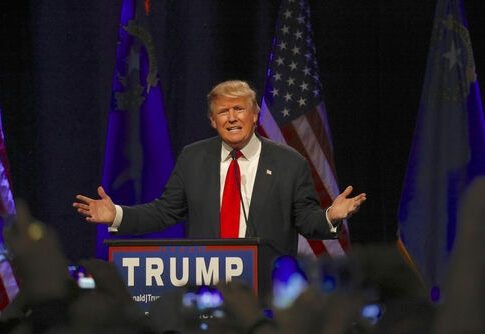
Trump arrives at the G7 touting a U.S.-Iran deal that could end months of conflict and reopen vital shipping lanes, while skeptics question if the framework will hold.
Story Highlights
- Trump and Iran announce a framework expected to halt fighting and ease tensions [4]
- Reports say formal signing could occur this week, with immediate steps to calm waters [4]
- Supporters call it a fast, hard-nosed fix after years of drift under globalist policies [3]
- Critics warn details are thin and enforcement is key to real peace [2]
G7 Opens With U.S.-Iran Breakthrough Framing the Agenda
Trump entered the G7 in France claiming a deal framework with Iran to end active conflict and stabilize the region. Broadcasts said leaders expected a formal signing in Europe within days, placing the agreement at the summit’s center. Commentators described the plan as a path to pause hostilities and restore shipping, including through the Strait of Hormuz, which affects energy prices worldwide [1]. Supporters argue fast movement shows strength and clarity after years of weak, confusing diplomacy [3].
Coverage noted that both sides described the understanding as a framework, with reports pointing to Friday for a signing ceremony in Switzerland. Language about timing and scope remained cautious, signaling that legal text and enforcement still matter. The attention at the G7 underscores how energy security and safe shipping lanes link to family budgets back home. When tankers move, gas prices steady. When they stop, working families pay more at the pump [4].
What Supporters Say the Deal Delivers Right Now
Supporters highlight three near-term wins. First, a path to end months of clashes lowers the chance of a wider regional war. Second, reopening key sea lanes helps bring down energy costs that hit middle-class wallets. Third, a rapid framework shows the White House can cut through bureaucracy and act. One analyst said the agreement “reopened the Strait of Hormuz” and could take effect quickly, reflecting immediate, practical aims tied to trade and stability [2].
Backers also say this effort contrasts with past globalist talk that rarely produced results. They argue that clear red lines, quick deadlines, and pressure backed by strength can deliver. Reports stated that the framework includes a permanent halt to military operations “on all fronts,” which, if enforced, would reduce the risk to U.S. forces, allies, and commercial ships. That outcome would be a major change from the drift and appeasement that marked past Iran files [4].
Why Caution Remains: Frameworks Need Teeth and Text
Critics warn that calling a plan a “framework” means details may still shift. They note that public reports use conditional words like “expected to sign,” which implies the final legal text, verification rules, and timelines still need daylight. One network emphasized that leaders “say they have a framework to end the war,” which invites hard questions about enforcement, snap-backs, and responses to violations [4].
Policy analysts also point to a long pattern in Iran diplomacy: big announcements first, binding details later. That rhythm can create public hope but also fuel mistrust if promised steps slip. One commentator cautioned against mistaking early claims for final, verified outcomes, stressing that success depends on what monitors can check and what penalties follow breaches. Without clear terms, deals risk becoming photo ops that fade [2].
What Matters for Americans: Energy, Security, and Strength
American families feel the impact of Middle East tension at gas stations and grocery stores. Tanker traffic through the Strait of Hormuz influences global oil supply and transport costs. If ships move safely and insurance rates fall, fuel and freight costs ease. That effect can cool inflation that grew under years of overspending and chaotic energy policy. Reports suggested the deal’s focus on restoring safe passage could help markets breathe, but only if the ceasefire holds [1].
We offered Putin to meet anywhere where real decisions to end the war could be made. He does not want it.
We discussed with the U.S. and France the possibility of a meeting with Russia around the G7, with all democratic nations represented. Putin does not want it.
Yesterday,… pic.twitter.com/6NNQH8QLW8
— Volodymyr Zelenskyy / Володимир Зеленський (@ZelenskyyUa) June 15, 2026
For conservatives, the key tests are simple. Does Iran stop hostile acts? Do inspectors verify? Do consequences bite if lines are crossed? If yes, the agreement shows peace through strength, not appeasement. If no, it proves why empty process and soft talk fail. Summit theatrics mean little without real-world results. The administration must insist on verification, quick penalties for violations, and zero carve-outs that weaken American leverage [2].
Bottom Line at the G7: A Chance to Lock Results, Not Rhetoric
Trump brought a potential breakthrough to the G7 that could end fighting and reopen vital sea lanes. That is a welcome shift from years of drift and mixed signals. But frameworks need ink, inspections, and enforcement to last. Leaders should press for a published text, clear timelines, and firm triggers that deter cheating. If done right, families at home could see relief on energy and a safer world. If not, the cost of weak follow-through will land on American wallets [4].
Sources:
[1] Web – President Trump meets with fellow G7 leaders after securing a deal …
[2] YouTube – US-Iran Deal Set to Dominate G7 Summit in France
[3] YouTube – Expert warns against mistaking Trump’s Iran deal for …
[4] YouTube – Trump leaves for G7 Summit with U.S.-Iran deal in place